

Oral Surgery
Huntington, New York
At Ramos Periodontics, saving your natural teeth is always our topmost priority. However, there are times when teeth extractions are necessary to address irreparable damage, severe decay, infection, orthodontic needs, or impacted teeth. Our team has put together a guide outlining the indications of tooth extractions, what to expect during recovery, and how to manage potential complications. We strive to ensure you have a smooth recovery and successful outcomes.
Indications for Teeth Extractions:
Severe Tooth Decay: When decay reaches the pulp and cannot be treated with root canal therapy.
Advanced Periodontal Disease: Gum disease causing bone loss and loosening of teeth.
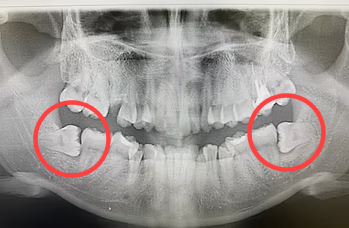
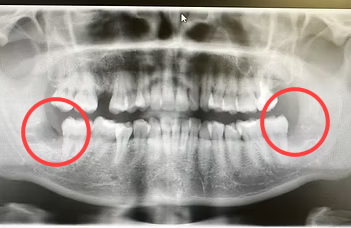
Impacted Teeth: Common with wisdom teeth, causing pain and infection.
Orthodontic Reasons: To create space for proper teeth alignment.
Overcrowding: Lack of space in the mouth for all teeth.
Infection: Severe infections not responding to antibiotics.
Trauma: Severely damaged teeth due to injury.
Preparation for Dentures or Implants: To prepare the mouth for these treatments.
Patient Preparation:
Medical History Review: Assessing chronic conditions, medications, and allergies.
Pre-Operative Instructions: Fasting before the procedure if sedation is used.
Medication Adjustments: Adjusting blood thinners or other medications.
Consultation: Addressing concerns and discussing post-operative care.
Potential Complications and Management:
Dry Socket: Severe pain due to dislodged clot, treated with medicated dressings.
Infection: Swelling, fever, treated with antibiotics.
Nerve Injury: Numbness or tingling, usually heals over time.
Prolonged Bleeding: Controlled with pressure, hemostatic agents, and medical evaluation.
Types of Teeth Extractions:
Simple Extractions: For visible, easily accessible teeth with a straightforward root structure.
Procedure: Local anesthesia, loosening the tooth with an elevator, and removing it with forceps.
Post-Procedure Care: Gauze application, pain management, and aftercare instructions to avoid dry socket.
Surgical Extractions: For teeth that are not easily accessible, such as impacted or broken teeth.
Procedure: Local anesthesia with sedation or general anesthesia, incision, possible bone removal, tooth sectioning, extraction, and stitches.
Post-Procedure Care: Similar to simple extractions, with additional care for swelling and more detailed aftercare.
Recovery and Post-Operative Care:
Bleeding Control: Using gauze to promote clot formation.
Pain Management: Over-the-counter or prescription pain relievers.
Swelling Reduction: Applying ice packs.
Dietary Adjustments: Soft foods, avoiding hot, spicy, or crunchy foods.
Oral Hygiene: Gentle brushing and saltwater rinses.
Activity Restrictions: Resting and avoiding strenuous activities.
Special Considerations:
Wisdom Teeth Extractions: Often complex due to impaction and require detailed imaging and careful post-operative care.
Pediatric Extractions: Considerations for growth, development, and anxiety management.
What Are Biological Extractions?
Biological extractions, often referred to as atraumatic or minimally invasive extractions, aim to preserve as much of the bone and surrounding tissues as possible. This technique is particularly important when considering future dental implant placement or other restorative procedures.
Key Differences Between Biological and Traditional Extractions:
- Minimizing Trauma: Biological extractions use less invasive techniques to minimize damage to the jawbone and the surrounding tissues to optimize post-extraction healing.
- Periodontal Ligament Management: In biological extractions, we may remove the periodontal ligament surrounding the tooth root, which can harbor bacteria, to reduce the potential for inflammation and infection.
- Removing Diseased Tissues: This may involve a thorough cleanse of the extraction site to remove diseased tissues, eliminate bacteria, and promote healing.
- Leukocyte-Platelet Rich Fibrin (L-PRF): Biologic extractions often involve using biocompatible materials like L-PRF, derived from the patient's blood, to support healing and reduce inflammation in the treatment area.
Benefits of Biological Extractions:
- Faster Healing: Using regenerative techniques while minimizing trauma can ensure quicker recovery.
- Reduced Pain and Swelling: The gentle techniques of biological extractions help minimize post-operative pain and swelling.
- Lower Risk of Infection: Thorough cleaning, disinfection, and removing infected tissues can reduce the risk of infection.
- Minimal Bone Damage: Minimizing damage to the bone can help maintain its structure and support future restorative procedures, such as implants.
Tooth Extraction Near Me in Huntington, NY
If you require a tooth extraction, our experienced periodontist and patient-centered team at Ramos Periodontics are here to help. Our specialist has years of experience, exceptional skill, and expertise, ensuring the best possible patient experience.
We invite you to call (631) 256-1000 to schedule an appointment or follow this link to book one today!
Restore Your Smile, Restore Your Confidence
Don’t let gum disease or missing teeth hold you back. Our expert periodontal care can help you achieve a healthier, stronger smile. Schedule your appointment today and take the first step toward better oral health!